
Last Updated:
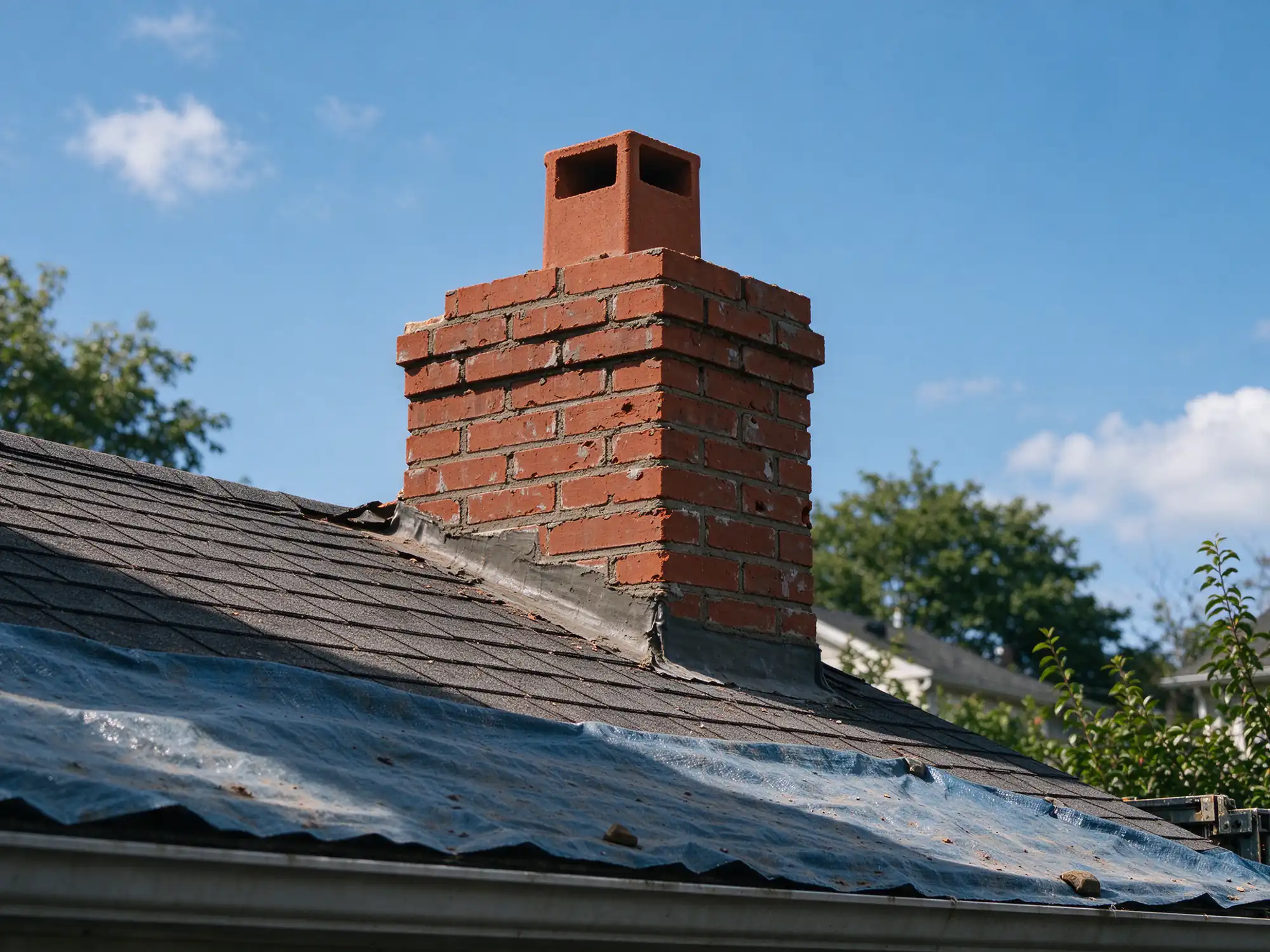
Chimney rebuilding in Newark, NJ means taking a chimney down to masonry that is still sound and laying it back up, with a new crown and brick that suits the house. True Course Masonry Newark rebuilds chimneys across Newark and Essex County, from the stack above the roofline to a full chimney rebuilt from its base, and the work is carried out by licensed and insured contractors. A rebuild is a bigger decision than chimney masonry repair, and it is often recommended under pressure: a home sale, an insurer’s letter, or a roofer pointing at loose brick. This page explains when a rebuild is the right scope, what it involves, and how to judge one.
Two things stay outside the job. Chimney sweeping, flue liners and combustion or fire-safety inspections are a different trade and are not offered here. If an appliance or fireplace uses the chimney, a chimney sweep or inspector needs to settle how the flue will be handled before the new brick goes up.
What happens on the first visit
A rebuild quote is only as good as the decision about where the take-down stops. The first look is aimed at that line. It checks:
- How far the damage runs. Whether loose or crumbling brick is limited to the top few courses or continues down to the roofline and below it.
- Plumb. Whether the stack leans or twists, and whether the lean starts above the roof or inside the house.
- The attic side. Where it can be seen, the condition of the chimney through the attic, which shows whether the lower chimney can carry a rebuilt stack.
- The crown and flue. How the crown was built and how the flue tiles sit, so the rebuild can be planned around them with the chimney professional. The guide to chimney crown cracks explains what a failing crown does to the stack below it.
- The roof. Pitch, covering and the flashing around the chimney, since all of it has to be protected or coordinated with a roofer.
- Brick and mortar. The color, size and texture of the house’s brick, and what mortar the old chimney was laid in.
- Access. Where staging can go, how debris can be lowered, and how close the neighboring houses stand.
Partial rebuild or full rebuild
Most rebuilds are partial: the stack is taken down to a level, sound course near the roofline and rebuilt from there. That is the part of a chimney that takes the most weather. It stands clear of the roof with every face and the top exposed. NOAA’s 1991 to 2020 climate normals for Newark Liberty International Airport show about 46.6 inches of precipitation a year and about 80 nights at or below freezing, about 65 of which warm above freezing in the afternoon. That last figure is a proxy for freeze-thaw days, not a measured count, but it explains why the top of a stack wears out first: wet brick and mortar freeze from all sides.
A full rebuild takes the chimney down through the house to its base and builds it again. It is a different scale of job. It opens the roof, works inside the attic and living space, may need temporary support for framing that bears near the chimney, and produces far more debris. It is the scope when damage or movement runs below the roof, when the lower chimney is cracked or displaced, or when the base has settled. Where a chimney appears to be moving with the house, a structural engineer may need to assess it before a rebuild is planned.
When repointing is not enough
Repointing replaces mortar in joints. It does not straighten brick, reset units that have moved, or restore strength to brick that is crumbling through. A rebuild is usually the right scope when:
- Brick has been displaced. Courses have slid or bulged out of line, or units are loose enough to move. Filling the joints around them holds them in a displaced position until the next freeze works them loose again.
- The stack leans. A lean at the top often comes from mortar that has been saturated and weakened on one side, or from a failed crown feeding water into the core. Repointing does not pull a stack back to plumb.
- The top is saturated and crumbling. Brick that has lost its faces, cracked through or turned soft cannot be held together by new joints. The guide to why brick spalls explains how water and frost break up brick faces.
Where the stack is still plumb and most units are tight, repointing the joints is the better answer, and a rebuild would replace sound masonry for no gain. The guide on whether to rebuild or repoint a chimney walks through the signs in more detail, and the masonry damage assessment can help you describe what you see. Please do not climb up to test the brick. A chimney with loose units at the top is a falling hazard, so keep people away from the area below it.
Second opinions when the quote says urgent
Homeowners report being told by a roofer or another trade that a chimney is about to fall and needs a full rebuild at once, at a high price. Sometimes that is right. A stack with displaced brick can be dangerous, and the urgent part is keeping people out from under it. The rebuild itself rarely needs to be decided in a day. A second opinion from a masonry contractor is a reasonable step on any large job, and it should come in writing: which courses are loose, whether the stack leans, where the take-down would stop and why. Roofers see chimneys every day from the roof, and the difference between quotes is often a difference in how much of the stack each one plans to take down.
When comparing written scopes, check where the take-down stops, what happens to the flashing, how the crown is built, how debris comes off the roof and whether the permit is included. The guide to hiring a masonry contractor in NJ covers registration and contract terms.
Matching brick and protecting the roof
A chimney is often the most visible brick on a house. Where it can be seen from the street, the rebuilt stack should match the house in color, size, texture and joint profile. Sound old brick can sometimes be salvaged and relaid, and new brick is chosen against the house in daylight rather than from a catalog. The guide to matching mortar and brick explains why a sample panel beats a color chip. The rebuild mortar is chosen for the brick and its exposure, not by picking the strongest bag; the guide to lime mortar vs portland cement explains the tradeoff.
Roof protection is part of the job. Staging spreads load on the roof, boards protect shingles, slate or tile under the work area, and old brick is lowered in buckets or chutes rather than dropped. The flashing where the chimney meets the roof has to come out and go back in during a rebuild. The masonry side includes the joints that receive counterflashing; the metal and roofing are often a roofer’s work, and the scope should say who supplies and installs each piece. If a stain inside is what started the conversation, the guide to chimney leaks: masonry or flashing helps sort out which one it was. The new crown should slope away from the flue and project past the brick with a drip so water falls clear of the faces.
Permits, historic districts and access
A chimney rebuild needs a construction permit in New Jersey. N.J.A.C. 5:23-2.14 makes it unlawful to reconstruct a structure without first obtaining the required permit, and the ordinary maintenance exemption in N.J.A.C. 5:23-2.7 excludes work affecting structural or fire safety. No state bulletin specific to chimney rebuilds was found, but a crown-down or full rebuild is reconstruction under those rules. Our guide to masonry permits in Newark covers the process.
Newark’s building permit fee for repair and alteration work is set by city ordinance at $28 per $1,000 of estimated construction cost for the first $50,000, with a $58 minimum, and plan review at 20 percent of the construction fee is paid at submission and credited against it. The state adds a training surcharge of $1.90 per $1,000 under N.J.A.C. 5:23-4.19. Worked through, those rules put the combined fee at roughly $30 for every $1,000 of estimated construction cost, or about 3 percent, with the $58 minimum as the floor. That is a derived estimate from the ordinance and the state rule, not a published fee schedule for chimneys, and the estimated construction cost it is based on is the figure stated on the permit application.
That estimate excludes historic review, zoning, any sidewalk or right-of-way permit for staging, and engineer fees. Fire subcode fees would apply only if appliance or liner work is involved, which is outside this scope. Confirm current fees with the Newark construction office.
In historic districts, Newark’s Landmarks and Historic Preservation regulations (Chapter 41:10, adopted 2023) give the Landmarks and Historic Preservation Commission review over work on landmarks and in districts, so a rebuilt chimney visible from the street can need a Certificate of Appropriateness. Where staging must sit over a public sidewalk, N.J.A.C. 5:23-2.34 calls for sidewalk bridging designed by a design professional. On tightly built blocks, staging may need a neighbor’s cooperation, as it can on a parapet repair.
What drives the cost of a chimney rebuild
No dollar range is published here for chimney rebuilds. Independent sources disagree too widely, and a stack’s height, roof and take-down depth vary too much for a range to help. A rebuild price comes from a site visit and depends on:
- whether it is a rebuild above the roofline or a full rebuild
- how many courses come down before sound masonry is reached
- the stack’s height above the roof and its width and number of flues
- roof pitch, covering and the staging needed to work safely
- lowering and disposing of old brick and debris
- brick matching, salvage and any sample panel
- the crown design
- flashing material and who supplies and installs it
- permits, inspections and any historic review
- weather protection for fresh masonry in cold or wet months, covered in the guide to masonry work in cold weather
The chimney repair cost guide explains each driver and what national guides publish for related chimney work, and brick repair covers smaller fixes to the chimney breast or the wall around it. The list below shows what a chimney rebuild scope from True Course Masonry Newark covers.
What's included
- A look at the stack, the roofline, the attic side of the chimney and the roof covering before a rebuild is priced
- A written scope that states where the take-down stops, what is rebuilt and who handles the flashing and the flue
- Permit application and inspections as the construction office requires
- Roof protection, staging and controlled lowering of old brick and debris
- Rebuilding with brick matched to the house and a mortar suited to the brick and exposure
- A new crown shaped to shed water past the brick faces
- Cleanup of the roof, gutters and grounds, with a final look at the finished stack
Repointing, a rebuild above the roofline and a full rebuild compared
| Repointing | Rebuild above the roofline | Full rebuild | |
|---|---|---|---|
| What happens | Failed joints are cut out and refilled; brick stays in place | The stack is taken down to sound masonry near the roof and relaid with a new crown | The chimney is taken down through the house and rebuilt from its base |
| When it fits | Stack is plumb and brick is tight | Top courses are loose, displaced, leaning or saturated and crumbling | Damage or movement runs below the roof, or the lower chimney cannot carry a rebuilt stack |
| Permit | Ask the Newark construction office | Expected, as reconstruction | Expected, as reconstruction |
| What it will not fix | Lean, displaced brick or a failed crown | Problems in the lower chimney or the flue | Flue and liner issues, which are a separate trade |
Related resources
- LearnDoes My Chimney Need Rebuilding or Just Repointing?
- Cost GuideHow Much Does Chimney Repair Cost in Newark, NJ?
- Decision GuideDo You Need a Permit for Masonry Work in Newark, NJ?
Representative photos of this work
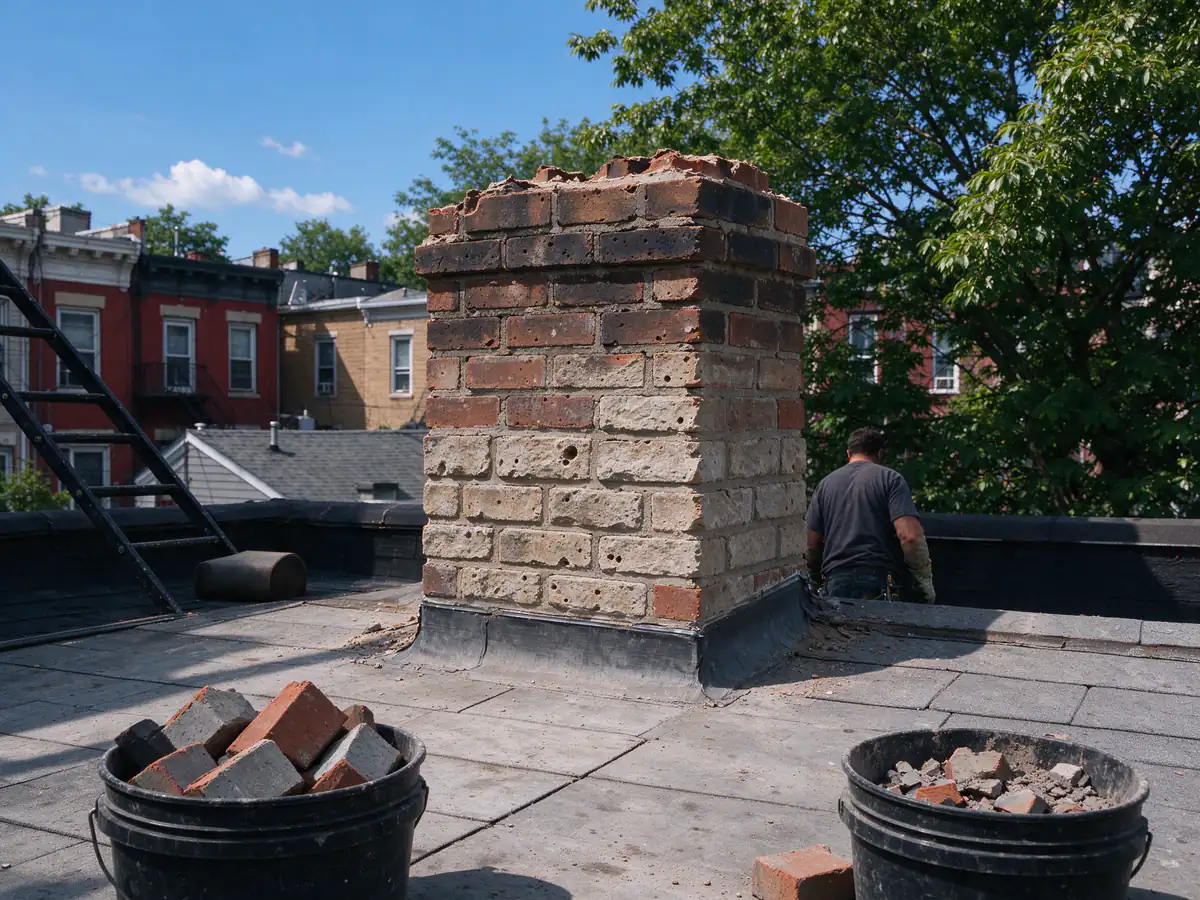
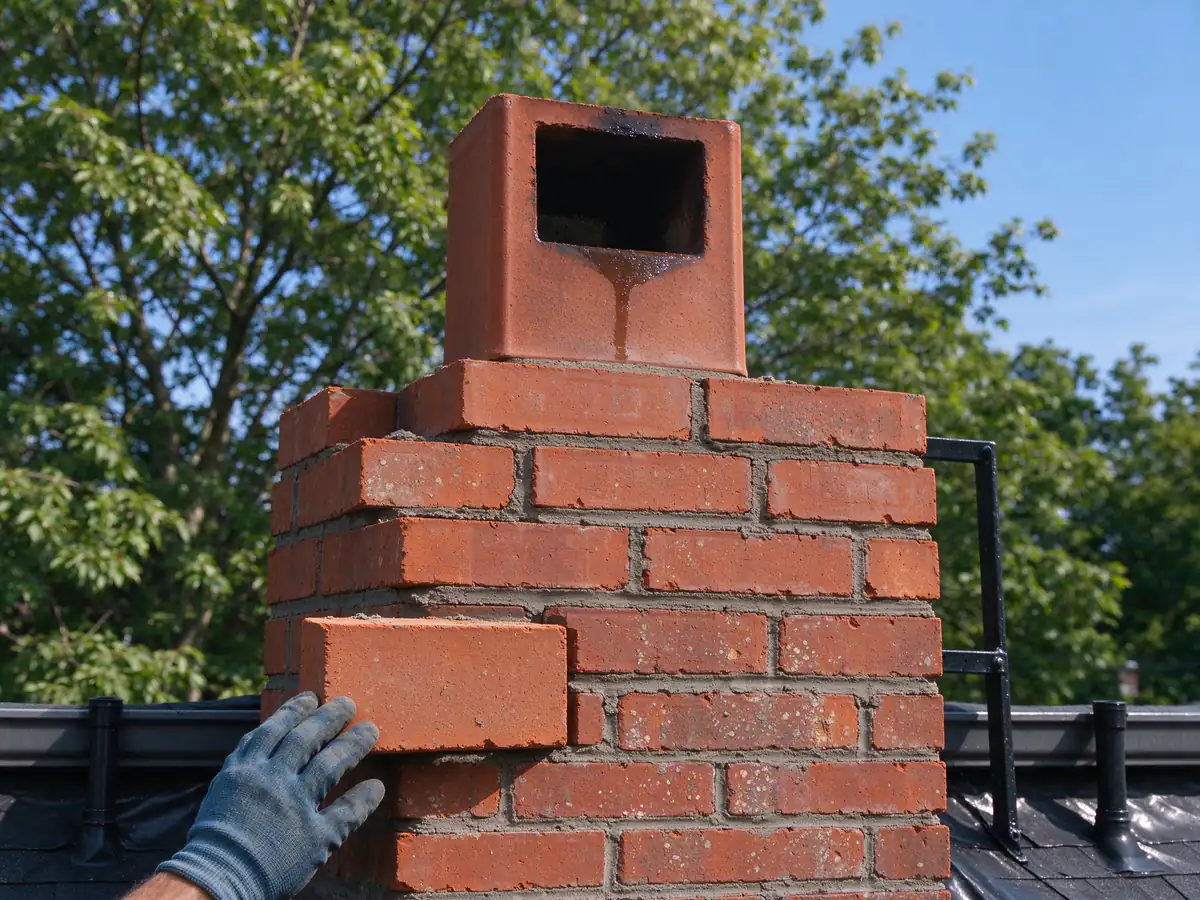
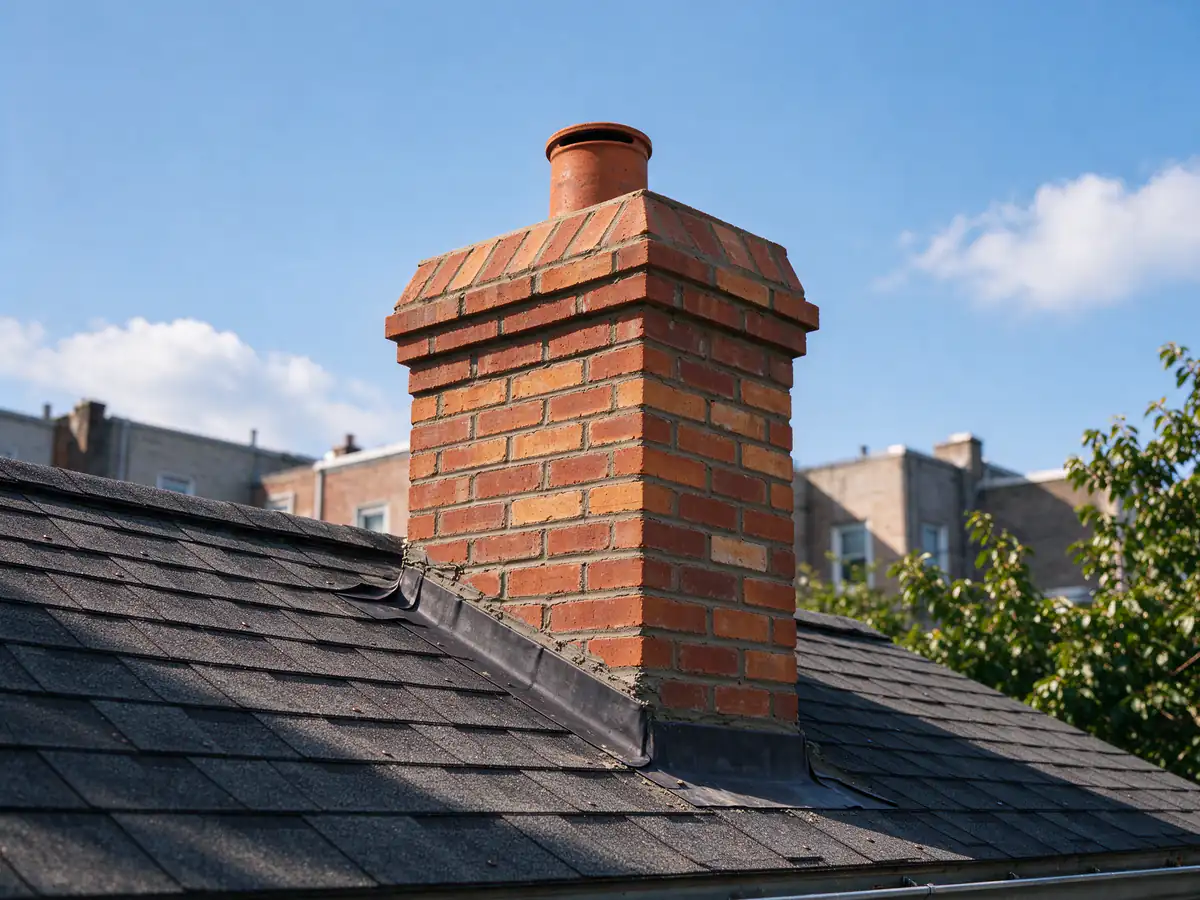
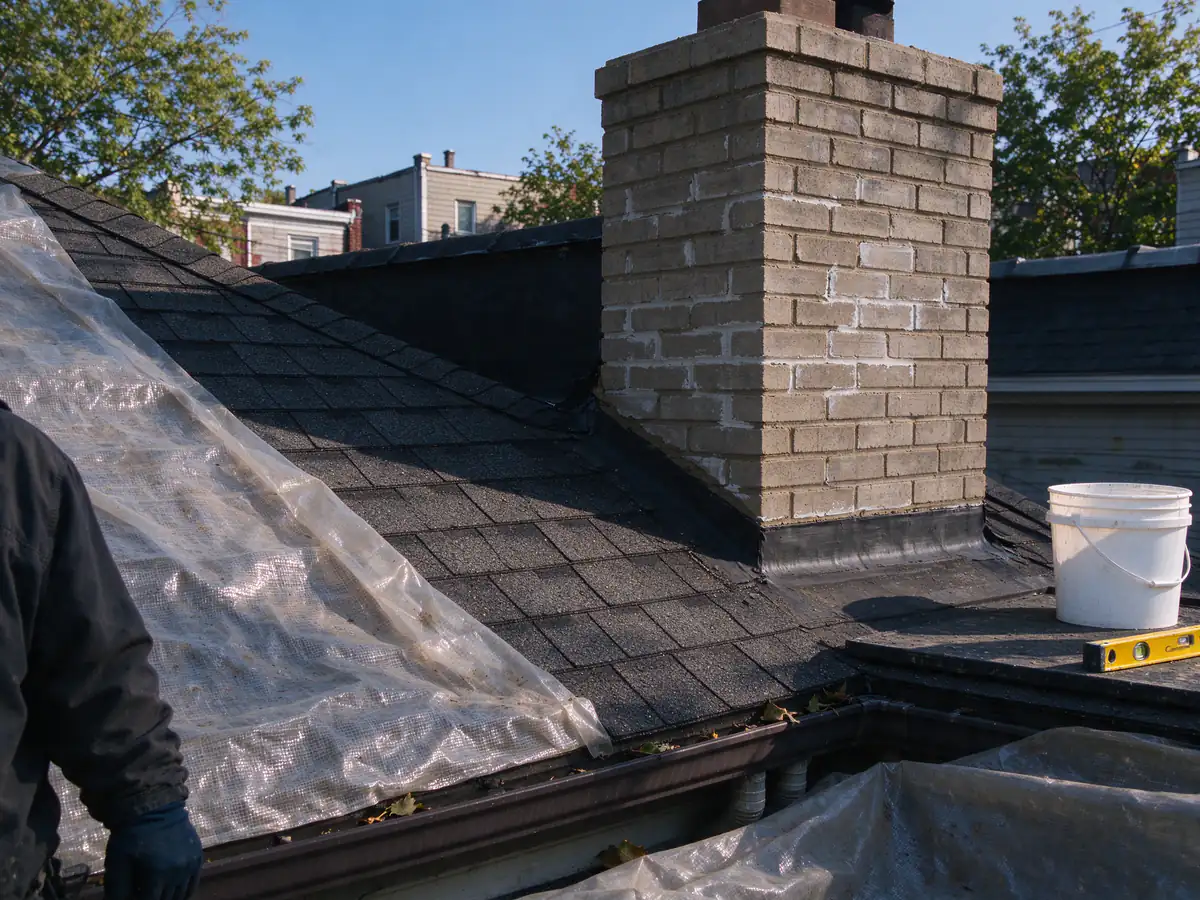
Representative photos of this type of work, not photos of specific completed jobs.